ZHANG Peiyun 章佩芸
章佩芸的创作始终呈现出一种独特的张力:极简而克制的视觉语言之下,蕴藏着对古典精神与秩序美感的持续探索。她以简练的线条和轮廓构建画面,在当代艺术的形式表达中,回应人与自然、空间与内心之间更深层的关系。
“家”的概念源于“家园”。在中国传统文化中,家不仅是栖居之所,更承载着人与自然相互依存、和谐共生的理想图景。园林则是这种理想最具象的表达——它既连接自然与居所,也寄托着人们对于精神栖息与内心安顿的向往。
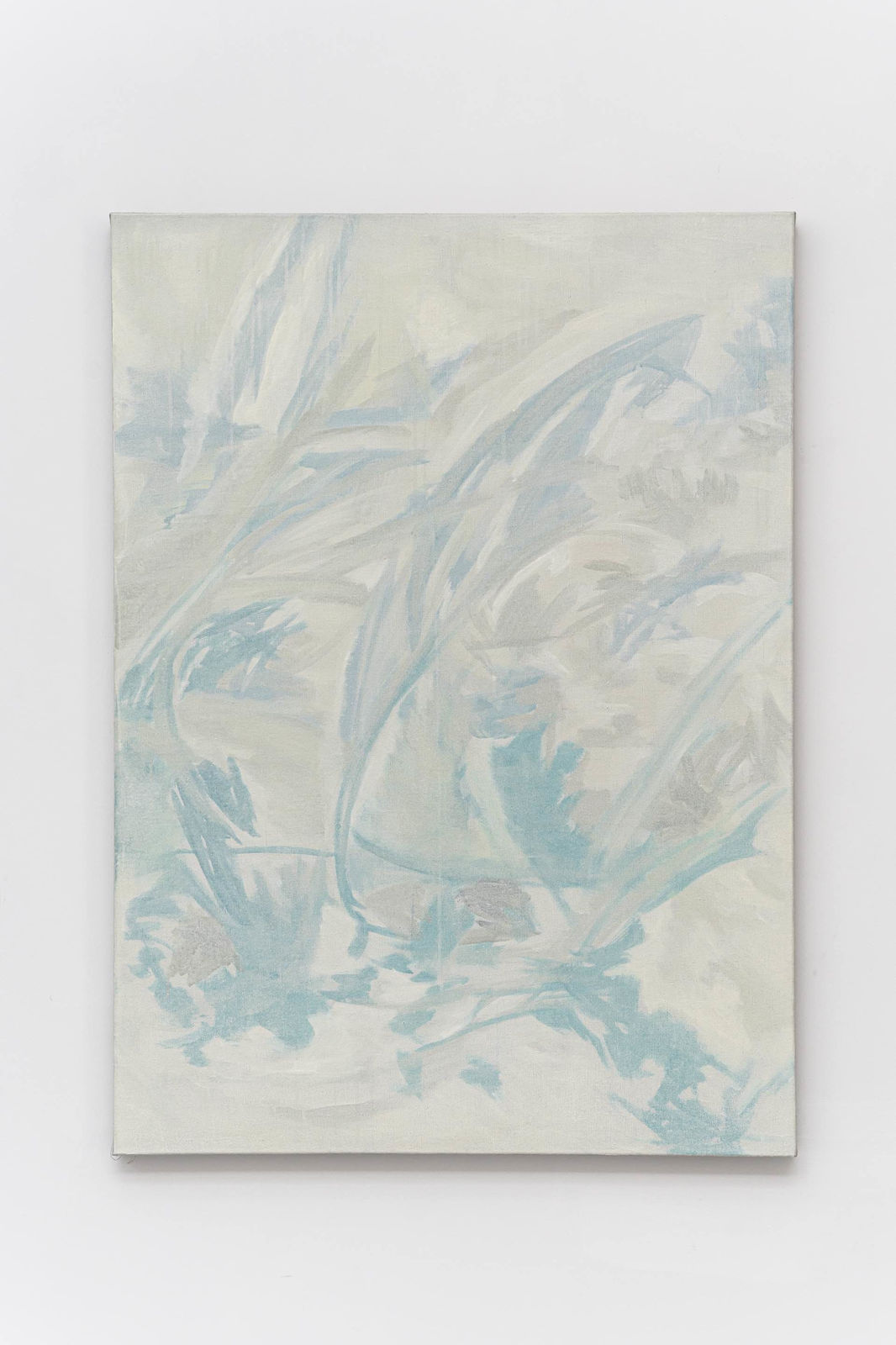
章佩芸以高度概括的艺术语言重构中西方对于“家园”的意象,作品中的交织的树影与叶片不再是具体景致的描绘,而成为一种关于归属感与内在秩序的象征。在快节奏的当代生活中,《家园》系列以宁静而克制的方式,引导人们重新感受人与自然的连接,寻找内心的从容与安定。
ZHANG Peiyun’s practice is marked by a distinctive tension: beneath its minimalist and restrained visual language lies an enduring exploration of the classical spirit and the beauty of order. Through spare lines and contours, she constructs compositions that use the formal language of contemporary art to address deeper relationships between humanity and nature, space and the inner self.
The idea of “home” is rooted in the broader notion of a homeland. In traditional Chinese culture, home is not merely a place of dwelling; it also embodies an ideal vision in which humanity and nature exist in mutual dependence and harmony. The classical garden offers the most tangible expression of this ideal—connecting nature with the dwelling while giving form to the human longing for spiritual refuge and inner repose.
Through a highly distilled artistic language, ZHANG Peiyun reimagines Chinese and Western conceptions of home and homeland. The interwoven shadows of trees and leaves in her work no longer depict a particular landscape, but instead become symbols of belonging and inner order. Amid the accelerated pace of contemporary life, the To Know Is to Love, To Love Is to Know – Home series quietly invites viewers to renew their connection with nature and rediscover a sense of composure and stability within.